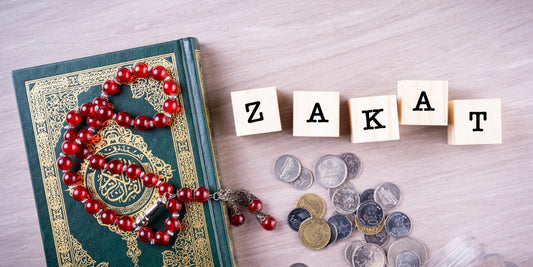

What is Zakat, precisely? "Jizya" or Zakat is a charity payment paid by Muslims, estimated at 2.5 percent of their excess money, following the Islamic religious teachings.
Zakat is computed as a percentage regarding financial resources that are not utilized to pay for your daily expenses, which is 2.5 percent in basic words.
This computation does not include expenses for utilities, rent, or other necessities. It's not only a matter of knowing how much Zakat to give - there would be a few more requirements to be met.
How Does Zakat Work?
Keeping fast in Ramadan and making the Pilgrimage trip are the other four basic principles of the Muslim faith; the fifth is the paying of Zakat.
To avoid confusion, it is an obligatory practice for Believers who earn over a particular level and must not be mistaken with the humanitarian deed of providing charitable presents out of compassion or charity that Muslims are expected to do.
The minimal amount of Zakat which can be donated to those who aren't privileged is described in detail in religious writings. It differs greatly based on how much money originates from farming, livestock, trade, banknotes, or rare metals like silver and gold.
Property and income worth are taken into account while calculating Zakat. A Muslim's assets and holdings must equal at least 2.5% of their total income to be eligible.
In many cases, Zakat is given out towards the year's completion. Some who benefit include the impoverished and destitute Muslim immigrants suffering.
Others include people who are held slaves, people who owe money, Islamic warriors serving their nation, and travelers who get stuck. For their efforts, zakat collectors are also rewarded during this great practice.
The Concept of Nisab
To establish if you must pay Zakat, you must meet the requisite level of wealth known as Nisab. This year, when you have assets in excess of Nisab, you must pay Zakat. It's unnecessary to pay Zakat if the amount is less than that.
The Islamic minimal wealth criterion (Nisab) is defined as either twenty-three ounces of silver or three ounces of gold. Even though silver and gold are no longer used as a medium of exchange, they can compute their monetary value available on the internet.
-
The Nisab for Silver
The standard for the nisab of silver is set at 612.36 grams, which is 21 ounces of silver.
-
The Nisab of Gold
The standard for the nisab of gold is set at 87.48 grams, which is 3 ounces of silver.

Frequently Asked Questions About Zakat
How much zakat do I have to pay?
Zakat is generally 2.5% of qualifying wealth that has stayed above the nisab threshold for one full lunar year. Nisab is a minimum amount based on the value of gold or silver. Because calculations differ by type of asset and school of thought, confirm your figure with a trusted scholar.
Who can receive zakat?
The Quran names eight categories of recipients in Surah At-Tawbah (9:60), including the poor, the needy, those in debt, and travelers in need. Zakat is meant to reach people with real need, so many families give through trusted zakat organizations or directly to eligible recipients they know.
When is zakat due, and how is it different from Zakat al-Fitr?
Zakat on wealth is due once your savings have remained above nisab for a full lunar year. Zakat al-Fitr is a separate charity due at the end of Ramadan, before the Eid prayer. Many families choose to give their wealth zakat during Ramadan, but the due date follows your own yearly anniversary.
Gathering the family for Ramadan and Eid is part of the season too. Our Ramadan Prep Essentials collection helps you stock up ahead of time.
How can I prepare for Eid gatherings after giving my zakat?
Halal World Depot delivers zabiha halal meat across the USA, cut and packed by our in-house butchers and shipped cold-packed. For a full Eid table, our Bulk & Family Packs are built for larger households, and delivery is free on orders over $200.
For more reading on faith and family traditions, visit our Islamic blog.